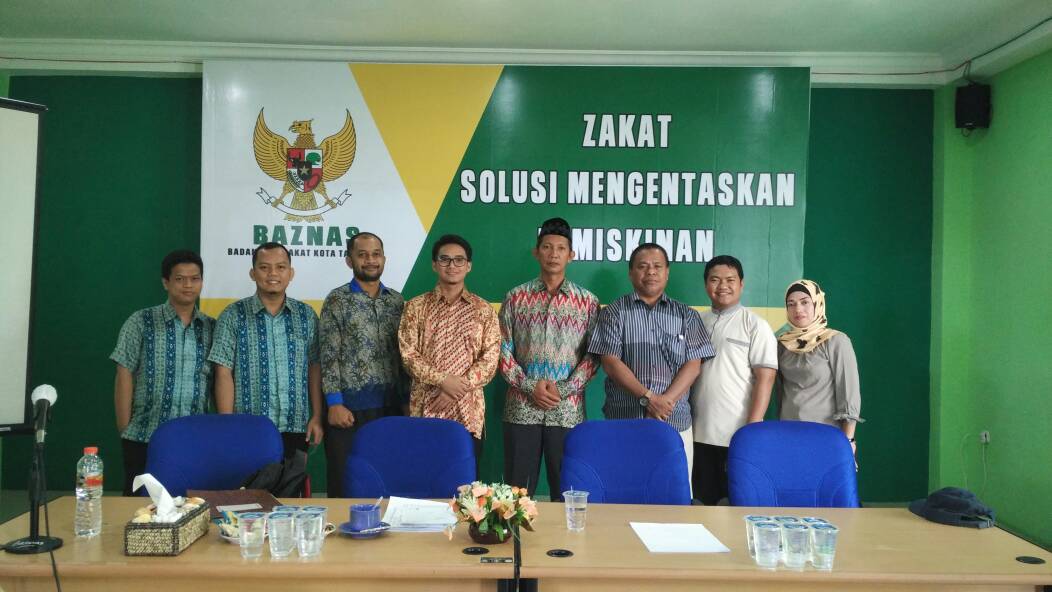
This month, Puskas had an opportunity to visit Tarakan in order to survey the National Zakat Index (NZI) of North Kalimantan province. Furthermore, Tarakan city can be accessed easily than the other districts. From Jakarta the distance is 1,606 km2 or about 3-hour flight. This event was attended by BAZNAS North Kalimantan province and a representative from 3 districts. Fortunately, they managed to come although they should take a speedboat for 30 to 60 minutes trip in order to reach Tarakan. It proves that they are willing to know about the National Zakat Index and concern on the development of zakat.
During the event, the participants were pleased to get the information about National Zakat Index. They realized that the management of zakat should have a standard, especially among BAZNAS in all provinces, thus by measuring this index will enable them to evaluate their performance and to compare with other regions. Furthermore, most of the BAZNAS in this region were just established or just changing the board of management, so they need information to build a management system with a high standard. Only BAZNAS Tarakan that has long been established so they have more experience in managing zakat funds.
The group discussion went smoothly, and the participants asked several constructive questions, including sharing knowledge. From the discussion, Puskas found that the frequent issue in North Kalimantan is about zakat collection. The reason is, the people in North Kalimantan, although most of them are Muslim (67% according to government data) but the proportion of the rich is still small compared to the poor. This issue happened in the district of Bulungan, Tidung, and Malinau, which are close to the border of Sabah Malaysia, because these areas are left behind in terms of development. Indonesia government still have a homework to build and develop the border areas. Another issue is the local government seems lack of consideration towards the urgency of zakat. There are no local regulations that urge civil servants to pay zakat that actually can be one of the ways to overcome the problem of zakat collection.
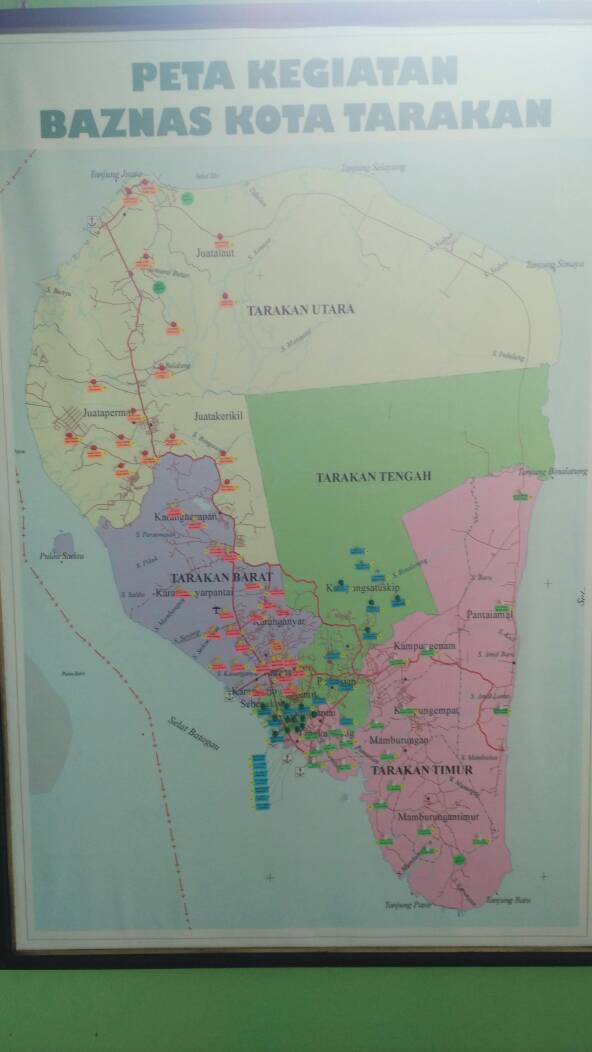
Despite the issues on collecting zakat, the total collection of zakat in North Kalimantan was about Rp 13 billion rupiah in 2016, grew about 15% from the total collection in 2015. Furthermore, the distribution of zakat fund was about 70% from the total zakat collection in the same year. It can be observed that with the limitation of the sources of fund and accessibility, they managed to perform well in managing zakat fund. One of the examples is BAZNAS Tarakan, they have a complete SOP from the collection, distribution, and organization management. The collection itself in 2016 was Rp 7.5 billion although the size of the city is small with the population of 239,787 people. This is a huge of funds to collect.
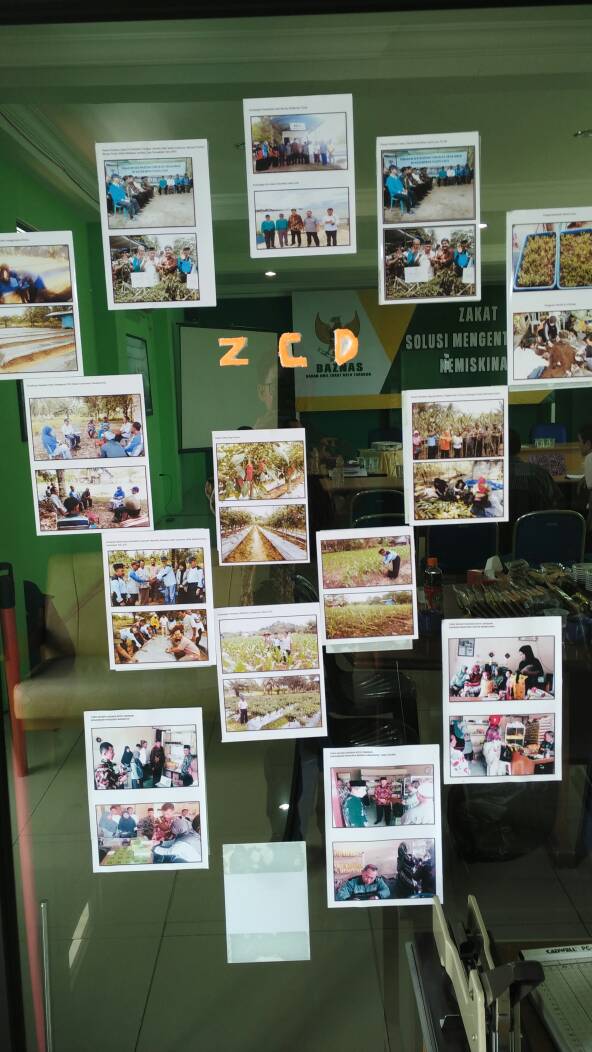
Puskas had a chance to discuss with BAZNAS Tarakan about the strategic management in their organization. They stated that they have a complete database that records the data of mustahik, muzakki retail and company. Based on this database, they can plan a proper program for mustahik according to their needs. Furthermore, by using database they can identify the mustahik who successfully left their status and become a muzakki. They have 10 surveyors who frequently survey the mustahik, to supervise the program and monitor the development of mustahik especially in the area which BAZNAS Tarakan has established zakat community development. Furthermore, they implement risk assessment for the mustahik to mitigate the risk of misuse of zakat fund which is very good and should be followed by other zakat institutions.
North Kalimantan gave a good impression by proofing that the limitations and lack of central government attention are not the reason for them to work very hard in managing the zakat fund to assist mustahik. Likewise, Puskas also learned some of a new knowledge from the BAZNAS in North Kalimantan, as well as gathered a wonderful experience during the survey. Thank you North Kalimantan for a warm welcome and the cooperation.
The Profile of BAZNAS North Kalimantan