
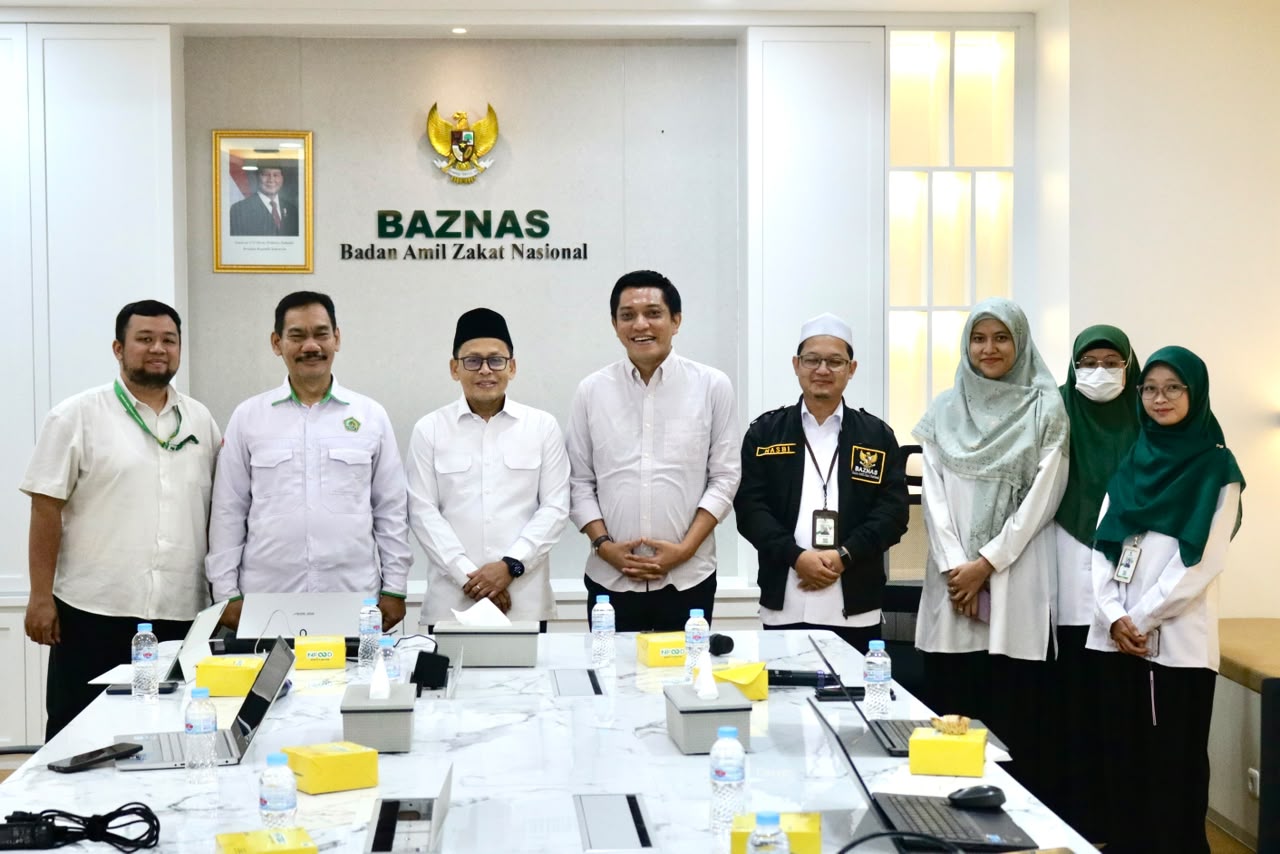
Jakarta, 17 November 2026 – The National Board of Zakat of the Republic of Indonesia (BAZNAS RI), through its Directorate of Research, Studies, and Development, conducted a Focus Group Discussion (FGD) with the Ministry of Religious Affairs of the Republic of Indonesia to evaluate the governance of Zakat Collection Units (Unit Pengumpul Zakat/UPZ). The discussion aimed to strengthen institutional governance and identify strategic recommendations for the revision of BAZNAS Regulation No. 2 of 2016 concerning the Establishment and Working Procedures of Zakat Collection Units.
After approximately ten years of implementation, the regulation requires a comprehensive evaluation to address emerging challenges and developments in the national zakat management ecosystem. The evaluation focuses on institutional integration, regulatory compliance, operational effectiveness, accountability, and the optimization of zakat collection through UPZ across various institutions.
During the discussion, Muhammad Hasbi Zaenal, Ph.D., Director of Research, Studies, and Development of BAZNAS RI, presented the progress of the UPZ governance evaluation study. The presentation highlighted several challenges, including institutional coordination, distribution assistance mechanisms, financial reporting, human resource management, the utilization of amil funds, and the integration of zakat management information systems.
The study also presented survey findings involving 23 respondents from 21 BAZNAS institutions. The findings identified limited human resource competencies, insufficient personnel, and reporting compliance as major challenges in UPZ management. Furthermore, private companies, professional associations, and communities were identified as institutional segments with considerable opportunities for further development.
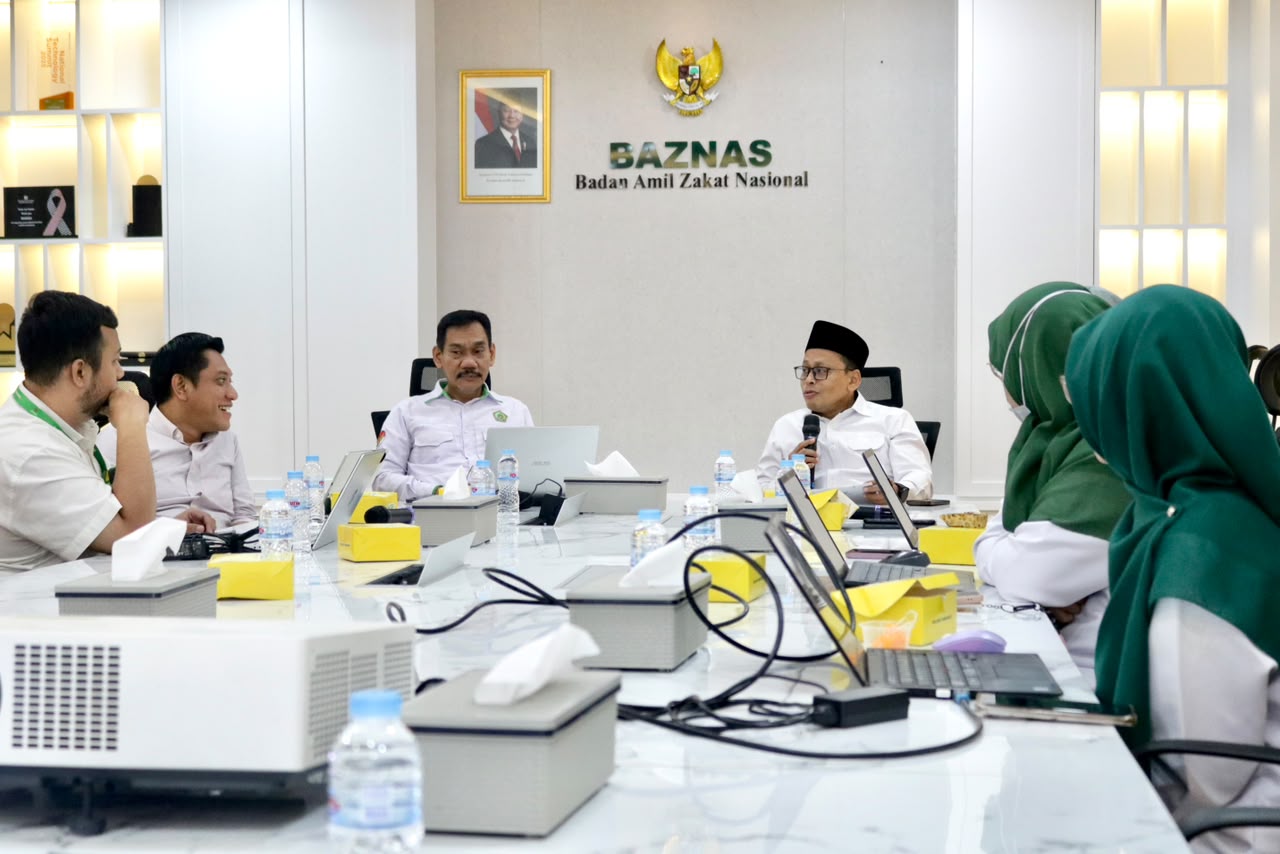
Syarifuddin, S.Ag., M.E., BAZNAS RI Commissioner for Research, Development, Planning, and Innovation, emphasized the importance of strengthening institutional integration between BAZNAS and UPZ. He highlighted the need to develop a more professional, integrated, and risk-based governance framework while considering the diverse characteristics and operational capacities of each UPZ.
He also underscored the importance of maintaining constructive communication with UPZ stakeholders throughout the regulatory reform process. This approach is intended to ensure that regulatory improvements address existing challenges while accommodating institutional needs and protecting the rights of relevant stakeholders.
Representatives from the Ministry of Religious Affairs provided recommendations on the legal and institutional aspects of the proposed regulatory reform. These recommendations included conducting a comprehensive evaluation of existing regulatory provisions, preparing a regulatory urgency document, clarifying the institutional position and authority of UPZ, and identifying potential risks associated with regulatory changes.
The discussion also explored opportunities to strengthen financial accountability through integrated reporting systems, improve the effectiveness of zakat collection, prevent double counting in financial records, and develop governance mechanisms tailored to the characteristics and capacities of different UPZ. Particular attention was given to the development of UPZ within universities, private companies, government institutions, rural communities, and overseas institutions.
Through this FGD, BAZNAS RI seeks to develop an evidence-based regulatory framework that strengthens institutional integration, enhances operational efficiency, and ensures compliance with Islamic principles and national regulations. The recommendations generated from the discussion will serve as valuable inputs for the continued evaluation and refinement of UPZ governance regulations.
This initiative reflects BAZNAS RI's commitment to strengthening collaboration with government institutions and relevant stakeholders in developing a more professional, accountable, and sustainable national zakat management ecosystem. Improved UPZ governance is expected to contribute to the optimization of national zakat collection and strengthen the role of zakat in supporting socio-economic development and community welfare.
Directorate of Research, Studies, and Development - Muhammad Adriel Altaf Fateen